


Why Transparent Waste Collection Matters for Citizens SafaiMitra Smart Waste Management
- umangvindheshwari
- 2 minutes ago
- 6 min read

Waste collection is one of the most visible public services in any city. When it runs on time, streets feel cleaner, neighbourhoods function better, and citizens trust that the system is working. When it is missed, delayed, or poorly tracked, complaints rise quickly.
Transparent waste collection solves this gap. It gives municipalities a clear view of vehicles, routes, workers, bins, service status, and citizen complaints. It also helps citizens see that collection is not random, but planned, monitored, and accountable.
SafaiMitra, a smart waste management platform by DVertex Info System Pvt. Ltd., supports this shift by helping municipal teams manage waste collection through digital tools, GPS tracking, monitoring dashboards, and complaint management.
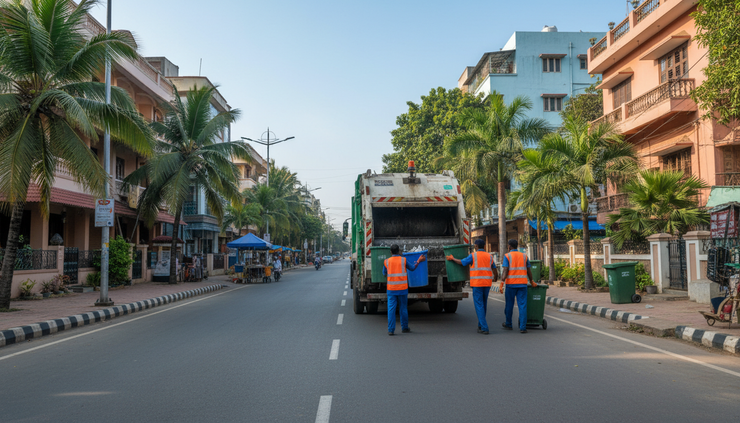
Transparent waste collection improves reliability
Citizens judge waste services by simple questions.
Was the waste collected today?
Did the vehicle come near my lane?
Will the same problem happen again tomorrow?
Traditional waste collection often depends on manual updates, phone calls, and delayed reporting. This makes it harder for supervisors to know whether a vehicle completed its assigned route or skipped a location.
With **GPS waste collection tracking**, every collection vehicle can be monitored on a live map. Municipal staff can see where a vehicle is, which route it followed, and whether it reached assigned points. This makes daily collection more dependable because gaps become visible.
When routes are monitored digitally, supervisors do not have to wait until the end of the day to discover a missed area. They can identify the issue earlier and take corrective action. For citizens, this means fewer unanswered complaints and a better chance of regular service.
GPS tracking creates accountability on the ground
Accountability is difficult when field activity is invisible. A vehicle may be assigned to a ward, but without location data, it can be hard to confirm whether the full route was covered.
GPS tracking changes that. It creates a digital record of vehicle movement, stoppage points, route coverage, and timing. This record helps municipal officers review the work more fairly and accurately.
It also supports field teams. Drivers and sanitation workers often face real challenges such as blocked streets, traffic diversions, vehicle breakdowns, or late waste placement by households. A GPS-enabled system helps show what actually happened on the route instead of relying only on assumptions.
SafaiMitra enables municipalities to bring this visibility into everyday operations. The goal is not only to monitor people, but to build a clear service record that helps teams solve problems faster.
A transparent system helps answer questions such as:
Which areas were covered today?
Which vehicle handled a particular route?
Where did delays occur?
Was a complaint linked to a missed route, a timing issue, or another reason?
Which routes need better planning?
This level of clarity supports both administrators and citizens.

Real-time monitoring helps cities respond faster
Waste collection does not always go exactly as planned. Vehicles may run late. A route may take longer than expected. A public bin may overflow before the scheduled collection time. A citizen complaint may need urgent attention.
**Real-time waste collection monitoring** helps municipal teams respond while the work is still in progress. Instead of depending only on daily reports, supervisors can track live activity and make practical decisions during the shift.
For example, if one vehicle is delayed, another nearby vehicle may be assigned to cover a pending area. If a route is repeatedly taking too long, it can be reviewed and adjusted. If a complaint comes from a location close to an active vehicle, the team can act sooner.
This reduces guesswork. It also helps make field operations more coordinated.
For citizens, faster response matters because waste issues affect daily life. Uncollected garbage can create odour, attract animals, block public spaces, and make neighbourhoods feel neglected. Real-time monitoring helps cities reduce the time between problem reporting and problem solving.
Route optimisation makes collection more efficient
Good waste collection depends on good route planning. If vehicles travel in an inefficient order, they waste time, fuel, and staff effort. If a route is overloaded, some areas may be served late. If routes are planned without field data, the same problems can repeat.
Digital route optimisation helps municipalities design routes based on actual service needs. It can support better sequencing of collection points, balanced vehicle allocation, and improved coverage across wards.
This does not mean every route becomes perfect overnight. Cities are complex, and local conditions change. But a digital record helps municipal teams understand patterns over time. They can see which routes are regularly delayed, which areas generate more waste, and which collection points need changes.
SafaiMitra supports this planning by connecting route data with monitoring tools. When municipalities can compare planned routes with actual movement, they can improve collection schedules in a practical way.
Cleaner routes also support cleaner cities. Vehicles spend less time moving without purpose, teams get clearer instructions, and citizens receive a more predictable service.
Digital dashboards make performance visible
A dashboard turns field activity into information that officers can use. Instead of searching through paper registers, messages, or scattered reports, municipal teams can view key details in one place.
A useful dashboard may show:
Active and inactive vehicles
Route status
Missed or pending collection points
Complaint status
Worker attendance or deployment
Ward-wise service updates
Vehicle movement history
This is where **digital waste management** becomes valuable. It connects daily field work with decisions at the supervisory and administrative level.
Digital dashboards also support review meetings. Officers can discuss actual route logs, complaint records, and service status instead of depending only on verbal updates. This makes internal communication sharper and more evidence-based.
For citizens, the benefit is indirect but important. When city teams have better information, they can improve service quality, reduce repeated delays, and respond more responsibly to complaints.

Workforce monitoring supports fair and organised operations
Waste collection depends on people as much as vehicles. Drivers, helpers, sanitation workers, supervisors, and complaint teams all play a role in the final service citizens experience.
Workforce monitoring helps municipalities know which teams are deployed, where they are working, and whether assigned tasks are completed. This supports better coordination across wards and shifts.
It can also improve fairness. When work is recorded digitally, responsible teams can be recognised for consistent performance. At the same time, repeated service gaps can be identified and addressed through training, route changes, or closer supervision.
Workforce monitoring should be used with care and respect. The purpose is not to create pressure without context. The purpose is to build a more organised system where responsibilities are clear, support is easier to provide, and service delivery becomes more reliable.
SafaiMitra helps connect workforce activity with vehicle tracking, routes, and complaints, giving municipalities a clearer picture of what is happening on the ground.
Complaint management builds citizen trust
A citizen complaint is not just a message. It is a signal that the service has failed somewhere or that the citizen needs help.
In many cities, complaints get lost because they move through informal channels. A citizen may call a local contact, send a message, or report the issue to different departments. Without a central system, tracking status becomes difficult.
A digital complaint management system changes this experience. Complaints can be logged, assigned, tracked, and closed with proper status updates. Municipal teams can see pending issues and identify repeat complaint locations.
This helps in three ways.
Citizens feel heard.
A complaint number or clear status update shows that the issue has entered the system.
Supervisors can follow up.
They can check whether the complaint was assigned, attended, or delayed.
Cities can identify patterns.
If the same area reports missed collection often, the city can review the route, vehicle timing, or local collection process.
Complaint management is central to **municipal waste management** because it connects citizens directly with service improvement. It turns feedback into a working record, not just a one-time grievance.
Transparency strengthens public trust
Citizens are more likely to trust a service when they can see that it is managed with discipline. Transparency does not mean sharing every internal detail with the public. It means creating a system where work can be tracked, verified, reviewed, and improved.
For municipalities, transparent waste collection supports better governance. For field teams, it creates clearer expectations. For citizens, it builds confidence that complaints and daily services are taken seriously.
A transparent system also reduces confusion. If a vehicle was delayed because of a breakdown, the status can be recorded. If a route was completed, the data can confirm it. If a complaint remains open, it can be followed up instead of forgotten.
This is why **smart waste management** is not only about technology. It is about making public service more visible, responsive, and accountable.

Cleaner cities need clearer systems
City cleanliness depends on thousands of daily actions. Vehicles must follow routes. Workers must complete tasks. Supervisors must monitor progress. Complaints must be resolved. Citizens must know that the system works.
When these actions are managed manually, gaps are harder to find. When they are managed digitally, municipalities can see the full chain of service delivery.
SafaiMitra brings GPS tracking, real-time monitoring, route planning, digital dashboards, workforce monitoring, and complaint management into one connected approach. This helps municipalities improve reliability, accountability, and citizen trust without relying on guesswork.
For Indian cities working to improve cleanliness and public service delivery, transparent waste collection is a practical step forward. Municipalities that want cleaner wards, faster complaint resolution, and better field visibility should explore smarter, more transparent waste management with SafaiMitra.
Comments