


How Digital Citizen Complaint Management Improves Waste Collection Efficiency

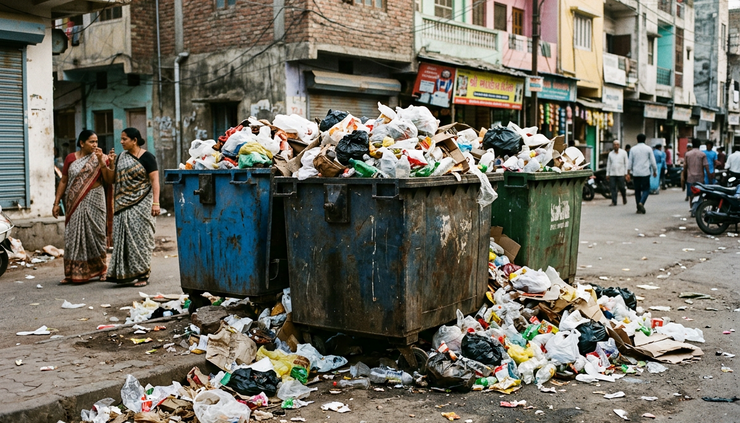
A missed waste collection point can quickly become a public sanitation issue. One overflowing bin can lead to litter on the road, bad odour, stray animal movement, blocked drains, and complaints from residents. Dirty public areas also affect how citizens view local governance and municipal service quality.
For Urban Local Bodies (ULBs), the challenge is not only collecting waste. It is also knowing where the problem is, who is responsible for fixing it, whether the task was completed, and whether the citizen is satisfied. Phone calls, paper registers, and informal messages often make this difficult to track.
A digital citizen complaint management system changes this process. It gives citizens a simple way to report sanitation issues and gives ULB teams a clear system to manage, assign, resolve, verify, and close complaints. SafaiMitra supports this approach with a technology platform designed for smarter municipal waste management.
Why complaint management matters in waste collection
Waste collection is a daily service, but problems can happen at any point. A vehicle may miss a lane. A bin may fill faster than expected. A worker may not receive clear location details. A public spot may become dirty after an event or market day.
Without a digital system, ULB teams may face common problems such as:
Repeated complaints for the same location
No clear record of when a complaint was received
Delay in assigning the task to the right worker
Difficulty checking whether the issue was actually resolved
No proof that the citizen confirmed closure
Limited visibility for supervisors and city administrators
Citizens also need transparency. When a resident reports uncollected waste or an overflowing bin, they want to know that the issue has been recorded. They also need a simple way to track the complaint and confirm resolution.
This is where digital citizen complaint management becomes useful. It connects citizens, sanitation workers, supervisors, and ULB officials in one clear workflow.
How the SafaiMitra complaint process works
SafaiMitra follows a structured process so that every complaint moves from registration to verified closure. This helps reduce confusion and improves accountability at each stage.
Step 1. Complaint registration
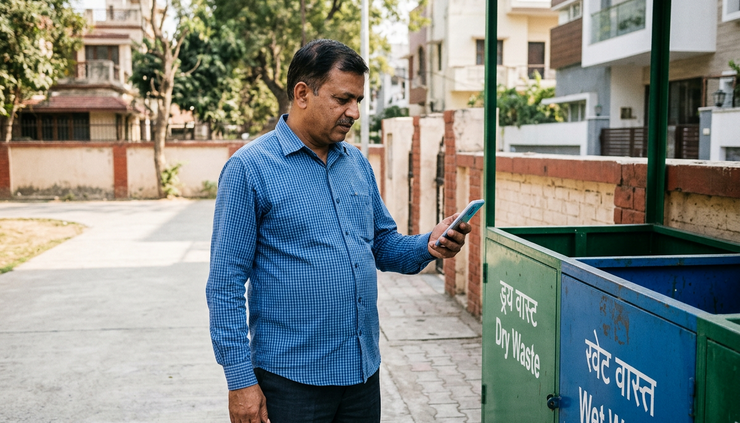
A citizen raises a sanitation complaint through the SafaiMitra App or through a toll-free number. The complaint may relate to uncollected waste, an overflowing bin, missed door-to-door collection, dirty public areas, or other local sanitation concerns.
The citizen provides basic details such as the type of issue, location, and contact information. If the complaint is raised through the app, location details can help the ULB team identify the spot more accurately.
This first step is important because it creates an official record. The issue is no longer only a verbal concern. It enters the municipal complaint system and can be tracked.
Step 2. Ticket creation and OTP generation
After the complaint is registered, the system creates a unique Ticket ID. This Ticket ID helps citizens and ULB teams track the complaint from start to finish.
At the same time, an OTP is generated and sent to the citizen’s registered mobile number. The citizen should keep this OTP safely. It is required later for verification after the sanitation worker resolves the issue.
This OTP-based process helps prevent false closure. A complaint should not be marked as closed only because someone updated the status in the system. The citizen’s OTP confirms that the worker visited the location and completed the work.
Step 3. Worker assignment
Once the complaint is recorded, it is assigned to a sanitation worker. The worker receives the complaint details, issue information, location, and scheduled time.
This removes guesswork. Instead of depending on informal instructions, the assigned worker knows exactly what needs to be done and where. Supervisors can also see who has been assigned to each complaint.
For ULB teams, this improves task planning. Complaints can be routed based on location, type of issue, worker availability, or service area. This helps teams respond faster and use resources better.
Step 4. Issue resolution
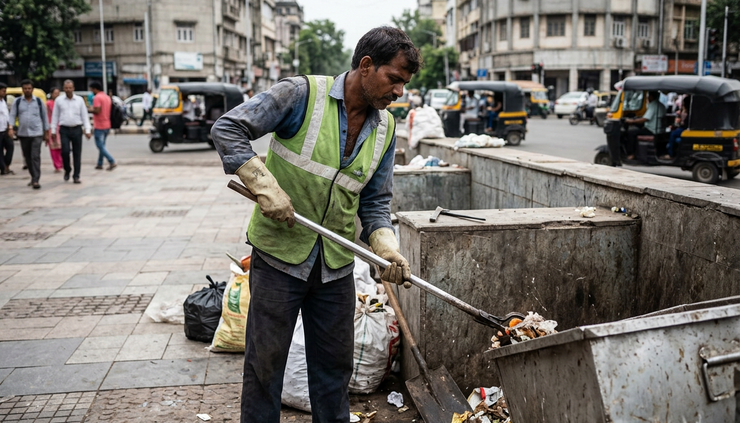
The assigned worker reaches the complaint location at the scheduled time and resolves the reported issue. This may include collecting missed waste, clearing an overflowing bin, cleaning a public place, or addressing the specific sanitation concern raised by the citizen.
After completing the work, the worker updates the complaint status in the SafaiMitra system. This gives supervisors live visibility into field progress.
For municipal teams, this step creates a reliable service record. They can see which complaints are pending, which are in progress, and which are ready for verification.
Step 5. OTP verification and closure
After resolving the issue, the worker asks the citizen for the OTP that was generated when the complaint was originally registered. The worker enters the OTP into the SafaiMitra system.
Once the OTP is verified, the complaint can be closed.
This is a key part of the process. OTP verification confirms that the citizen was involved in the closure and that the complaint was not closed without field action. It builds trust between citizens and the ULB because the process is transparent and traceable.
How ULBs benefit from a digital complaint system
A digital complaint management system does more than record citizen issues. It helps ULBs improve how sanitation services are managed every day.
Better visibility
Supervisors and officials can view complaints in one place. They can check status, worker assignment, location, and closure details without searching through paper records or scattered messages.
Faster response
When complaints are recorded digitally and assigned quickly, field teams can respond with less delay. Location details and scheduled times help workers plan their visits better.
Clear accountability
Each complaint has a Ticket ID, assigned worker, status update, and OTP-based closure. This creates a clear chain of responsibility.
Reduced repeat complaints
When issues are properly tracked and closed only after verification, ULBs can reduce repeated complaints for the same location. They can also identify problem areas that need regular attention.
Useful planning data
Over time, complaint data can show patterns. A ULB may notice that certain bins overflow often, some routes have frequent missed collection, or specific public areas need more cleaning support. This helps improve route planning, manpower allocation, and waste collection schedules.
Why citizens trust transparent complaint closure
Citizens are more likely to use a complaint system when they can see that it works. A clear process builds confidence because every complaint has a record and a closure method.
The Ticket ID gives citizens a reference number. The OTP protects the integrity of closure. The app and toll-free option make the system accessible for different types of users.
This matters for public participation. When residents know their complaint will be tracked, assigned, resolved, and verified, they are more willing to report sanitation issues early. Early reporting helps ULBs prevent larger waste management problems.
SafaiMitra helps cities manage complaints with confidence
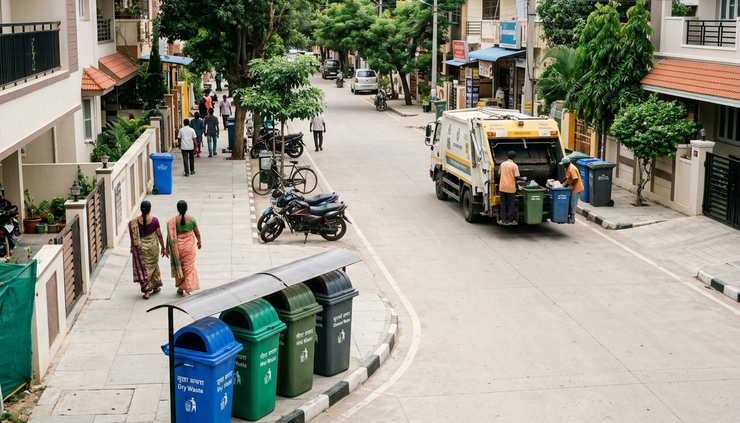
SafaiMitra brings citizens and municipal teams into one connected process. Citizens can raise complaints through the SafaiMitra App or toll-free number. ULB teams can create tickets, assign workers, track field activity, verify resolution through OTP, and close complaints with confidence.
For sanitation departments, this means fewer blind spots and better control over daily operations. For citizens, it means a simple and transparent way to report issues. For city administrators, it means better data for decisions and cleaner outcomes on the ground.
Efficient waste collection depends on timely information, responsible action, and verified closure. A digital complaint management system helps achieve all three. With SafaiMitra, ULBs can move from reactive complaint handling to a more organised, accountable, and citizen-friendly sanitation service.
Comments